Discover expert advice on common electrical problems in shops and offices. Schedule professional repairs to ensure safety, efficiency, and minimise downtime.
Electrical issues in commercial spaces can disrupt work, damage equipment, and put staff at risk. Even small faults can be early indicators of larger problems developing behind the scenes, so recognising the signs early is essential for keeping your workplace safe and efficient.
Signs Your Shop or Office Has Electrical Faults
Electrical faults in shops and offices often start with small warning signs that are easy to ignore. Lights may flicker, sockets may stop working as they should, or staff may notice that certain items of equipment keep cutting out. A faint burning smell, buzzing noise, or warm cable can also point to a problem that needs attention. While these issues may seem minor at first, they can quickly become more serious if left unchecked.
In a busy workplace, it is common for people to work around faults rather than report them. A damaged socket may be avoided, or a tripping breaker may simply be reset without asking why it happened. Over time, this can allow the fault to get worse and raise the risk of damage, power loss, or even fire.
Paying attention to early signs helps protect staff, customers, stock, and equipment. If anything electrical seems unusual, it is best to treat it as a warning rather than an inconvenience.
Flickering or Dim Lights
Flickering or dim lights are among the most common electrical problems in shops and offices. In some cases, the cause may be simple, such as an ageing bulb or a loose lamp. However, when lights flicker often, dim without reason, or affect several areas at once, it can suggest a deeper problem within the electrical system. Loose wiring, overloaded circuits, failing fittings, or poor connections can all lead to unstable lighting.
In a shop, poor lighting can affect how products are displayed and how customers view the space. In an office, it can make work harder, reduce concentration, and lead to eye strain or headaches for staff. It may also create safety concerns in corridors, stock rooms, stairways, and work areas where people need clear visibility throughout the day.
The pattern of the problem can also be useful. If lights dim when the kettle is switched on, when heating starts, or when several devices are used together, the circuit may be under too much strain. If only one fitting is affected, the issue may be more localised. Even so, repeated flickering should not be ignored. It is often one of the first signs that an electrical system needs attention before a more serious fault develops.
Sockets and switches that do not work properly
Sockets and switches that do not work properly can cause daily disruption in any workplace. A socket may stop powering equipment, a switch may only work now and then, or a faceplate may feel loose when touched. Sometimes plugs fall out easily or need to be held in place to make contact. These are all signs that the fitting may be worn, damaged, or unsafe.
In a shop or office, faulty sockets and switches can affect tills, chargers, computers, printers, displays, and other important equipment. Staff may start avoiding the faulty point and rely on extension leads instead, which can create further strain elsewhere. If a switch sparks, crackles, or feels hot, it should be taken seriously.
Electrical fittings should work smoothly and safely every time they are used. When they do not, it is often a sign of loose internal connections, age-related wear, or damage from repeated use. Any fitting that looks burnt, cracked, or unstable should be checked as soon as possible.
Circuit Breakers That Keep Tripping
A circuit breaker trips as a way to avoid overheating and electrical fires. If this happens once, it may simply be an overloaded socket or a single faulty appliance. However, if a breaker is tripping regularly, it means something more serious is happening.
Commercial spaces often rely on many high-power devices at once, from computers and kitchen appliances to lighting, chargers, and heating systems. When too many devices share one circuit, the system becomes overloaded. There may also be damaged wiring, loose connections, or an appliance that is drawing more power than it should. Repeated trips should never be ignored, as they usually indicate a risk building behind the scenes that a qualified electrician needs to investigate.
Overloaded extension leads and plug boards
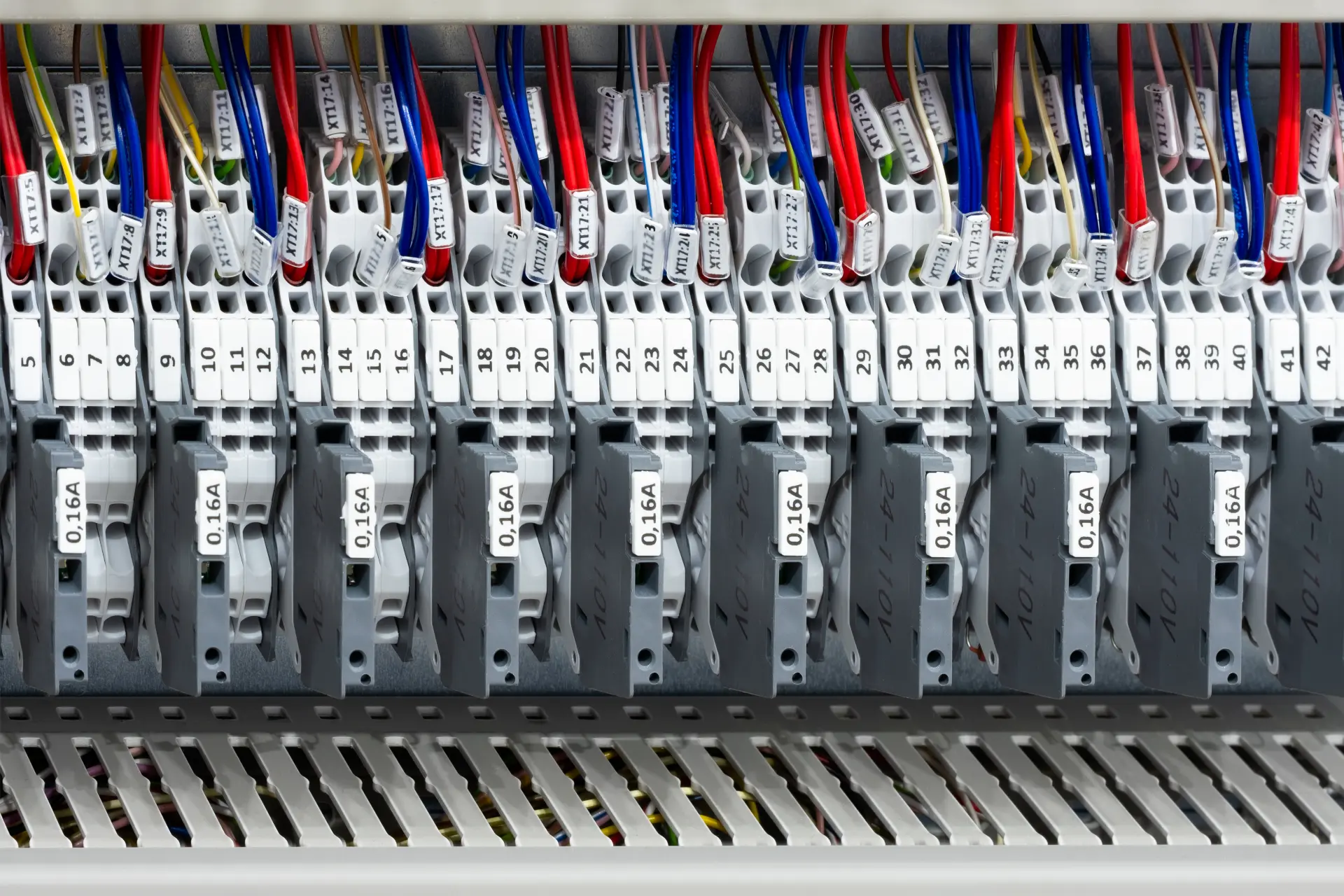
Extension leads and plug boards are useful for short-term needs, but they should not become a permanent way of powering a workplace. In many shops and offices, extra adaptors are added over time as more equipment is brought in. What starts as a simple fix can soon lead to too many items drawing power from one point.
Overloaded extension leads can become warm, damaged, or unreliable. They may also create trip hazards, make workspaces untidy, and place too much demand on circuits that were not designed for that level of use. This is especially risky when high-power items are plugged in alongside computers or office equipment.
If staff rely on several extension leads every day, it may be a sign that the building does not have enough sockets in the right places. A safer long-term solution is to review how power is being used and make changes to the layout or installation where needed.
Power cuts and sudden loss of electricity
Power cuts and sudden loss of electricity can bring a shop or office to a standstill. In some cases, the cause may be external, such as a supply issue affecting the local area. In other cases, the problem may come from within the building itself. When only part of the premises loses power, or when the issue happens more than once, it is often a sign that the electrical system needs attention.
For businesses, even a short loss of power can have a serious effect. Payment systems may stop, lighting may fail, alarms or internet equipment may go offline, and staff may be unable to continue normal tasks. In offices, unsaved work can be lost and systems may take time to restart properly. In shops, customers may be left waiting or may need to leave without completing a purchase.
It is important to look at what happens before the power goes off. If the problem follows the use of certain equipment or occurs during busy periods, this can point to overloaded circuits or faults in the system. A sudden loss of electricity should not always be put down to bad luck or a one-off event. If the cause is inside the building, it needs to be found and put right. A proper inspection can help prevent repeat problems and reduce the risk of wider disruption.
Buzzing sounds, burning smells or hot cables
Electrical systems should not make unusual noises or give off strange smells. Buzzing sounds, burning smells, or cables that feel hot can all be signs that something is wrong. These warning signs may come from sockets, switches, light fittings, power supplies, or behind walls where faults are hidden from view.
A buzzing sound can suggest a loose connection or a failing fitting. A burning smell may mean insulation or plastic parts are overheating. Hot cables should never be ignored, as heat often builds up when electricity is not flowing safely. These issues can become dangerous very quickly if staff continue using the affected area or equipment.
In a busy workplace, people may ignore these signs if everything still appears to work. That can be a serious mistake. If there is an unusual smell or sound with no clear cause, or if a cable or socket feels warm, the safest step is to stop using it and have it checked.
Faulty Equipment, Computers and Appliances
When your office or in-shop electrical equipment begins to repeatedly fail, restart, or lose its power, you'll find the electrical system is usually the main cause. Computers shutting down without warning, tills resetting, printers failing to connect, or appliances overheating are all issues that can be directly linked to unstable power or malfunctioning sockets.
Shops with refrigeration units or display freezers may notice temperature fluctuations or unexpected shutdowns, which can be costly if stock is affected. Offices may see network equipment restarting or chargers failing without explanation. If several devices show problems at the same time, it is usually the electrical supply rather than the equipment itself.
Fire risks from poor electrical maintenance
Poor electrical maintenance can greatly increase the risk of fire in a shop or office. Damaged wiring, loose connections, overloaded circuits, ageing fittings, and neglected equipment can all create heat where it should not be building up. Over time, that heat can damage insulation, melt plastic parts, and in the worst cases start a fire.
Many electrical fire risks begin with warning signs that seem minor. A socket may feel warm, a plug board may be overloaded, or a light fitting may buzz. If these problems are ignored, the danger can grow without anyone realising. Dust, clutter, and stored items near electrical equipment can make the risk even worse.
Regular maintenance helps spot these issues before they become serious. It also helps make sure the electrical system is still suitable for the way the building is being used. In workplaces where equipment runs for long hours each day, this matters even more. Good maintenance is not only about keeping things working. It is about reducing risk and helping keep the building and everyone in it safe.
How often to have electrical safety checks
Electrical safety checks should be a regular part of looking after any shop or office. They help identify wear, damage, faults, and outdated parts of the system before they lead to breakdowns or safety risks. How often checks are needed can depend on the age of the building, the type of work carried out there, and how heavily the electrical system is used. A busy retail unit or office with lots of equipment may need closer attention than a quieter space with lower demand.
It is not wise to wait until something goes wrong. By the time a clear fault appears, the problem may already have been developing for some time. Regular inspections help catch issues early, such as loose connections, damaged sockets, signs of overheating, or circuits that are no longer suitable for current use. This can reduce the chance of disruption and help avoid larger repair costs later.
Portable items such as kettles, monitors, extension leads, and chargers may also need checking if they are used often and moved around by staff. Fixed wiring should be looked at by a qualified professional at suitable intervals, especially in older buildings or premises that have been altered over time. Keeping a clear record of checks and repairs can also make it easier to manage safety and plan ahead.
When to Call a Qualified Electrician
Any persistent electrical issue in a shop or office should be evaluated by a qualified electrician. Electrical faults rarely fix themselves, and attempting to ignore or work around them can lead to safety risks, fires, equipment damage, and unexpected downtime.
A professional can test circuits, identify faults, and ensure your building meets the necessary safety standards. They can also suggest improvements, distribute power more safely across circuits, and advise on how often your building should undergo safety checks.
If you notice flickering lights, tripping breakers, faulty sockets, repeated equipment failures, or anything that seems unusual, it is time to speak to an expert. Keeping your electrical system healthy helps protect your staff, your property, and the day-to-day running of your business.
Simple steps staff can take to stay safe
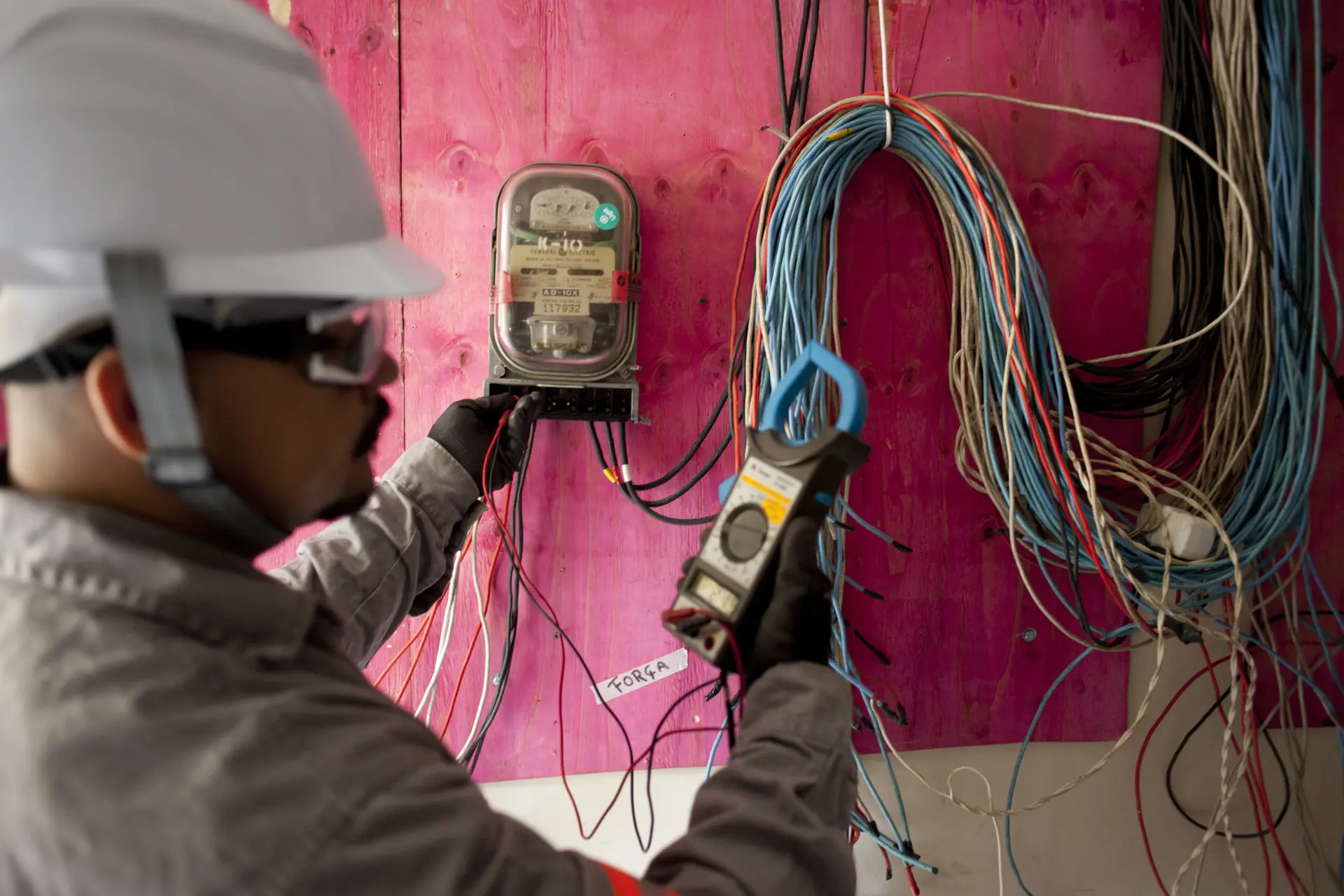
Staff can play an important part in keeping a shop or office electrically safe. They are often the first to notice when something does not seem right, so simple awareness can make a real difference. If a light flickers, a socket feels loose, a cable looks damaged, or a strange smell appears near equipment, it should be reported straight away rather than ignored. Small signs often come before bigger faults.
It also helps to use equipment properly. Staff should avoid overloading extension leads, plugging too many items into one board, or using damaged chargers and appliances. Cables should be kept tidy and not trapped under furniture, across walkways, or near heat sources. If anything sparks, makes a buzzing noise, or gives a small shock, it should be taken out of use at once and checked by the right person.
Another useful step is to avoid quick fixes. Staff should not try to repair plugs, open electrical fittings, or keep resetting breakers without knowing why they have tripped. Clear reporting procedures, basic safety guidance, and a sensible approach to faulty equipment can all help reduce risk. When everyone pays attention and acts early, the workplace becomes safer for staff, customers, and visitors alike.
Are you looking for Commercial electrical services throughout the north west?
Our commercial electrician offers repairs, testing and installations throughout Manchester, Liverpool, Cumbria, Lancashire and the surrounding areas.