Signs your business needs a commercial electrician include flickering lights, burnt sockets, and frequent fuse trips. Ensure safety and compliance with expert electrical services.
A reliable electrical setup is central to how any business operates, from powering equipment to keeping staff safe throughout the working day. When something starts to go wrong, the signs often begin small, but they can quickly grow into major hazards if left unresolved.
Flickering Lights and Dimming Power
Flickering lights and dimming power are often early signs that something is wrong with a business electrical system. A light that flickers now and then may seem minor, but when it happens often, or when several lights dim at once, it can point to a bigger issue behind the walls. Poor connections, overloaded circuits, ageing fittings, or faults in the main supply can all cause these changes in power.
In a business setting, this can affect far more than comfort. Poor lighting can make work harder, create a less professional space for visitors, and raise safety concerns in areas where clear visibility matters. If equipment is running on the same circuits, unstable power may also affect computers, tills, printers, and other key systems.
It is important not to ignore the pattern. If lights flicker when machinery starts, when heating turns on, or at busy times of day, the system may be under strain. A commercial electrician can inspect the cause, test the circuits, and make sure the building is safe, stable, and suitable for the demands of daily business use.
Sockets That Feel Hot or Look Burnt
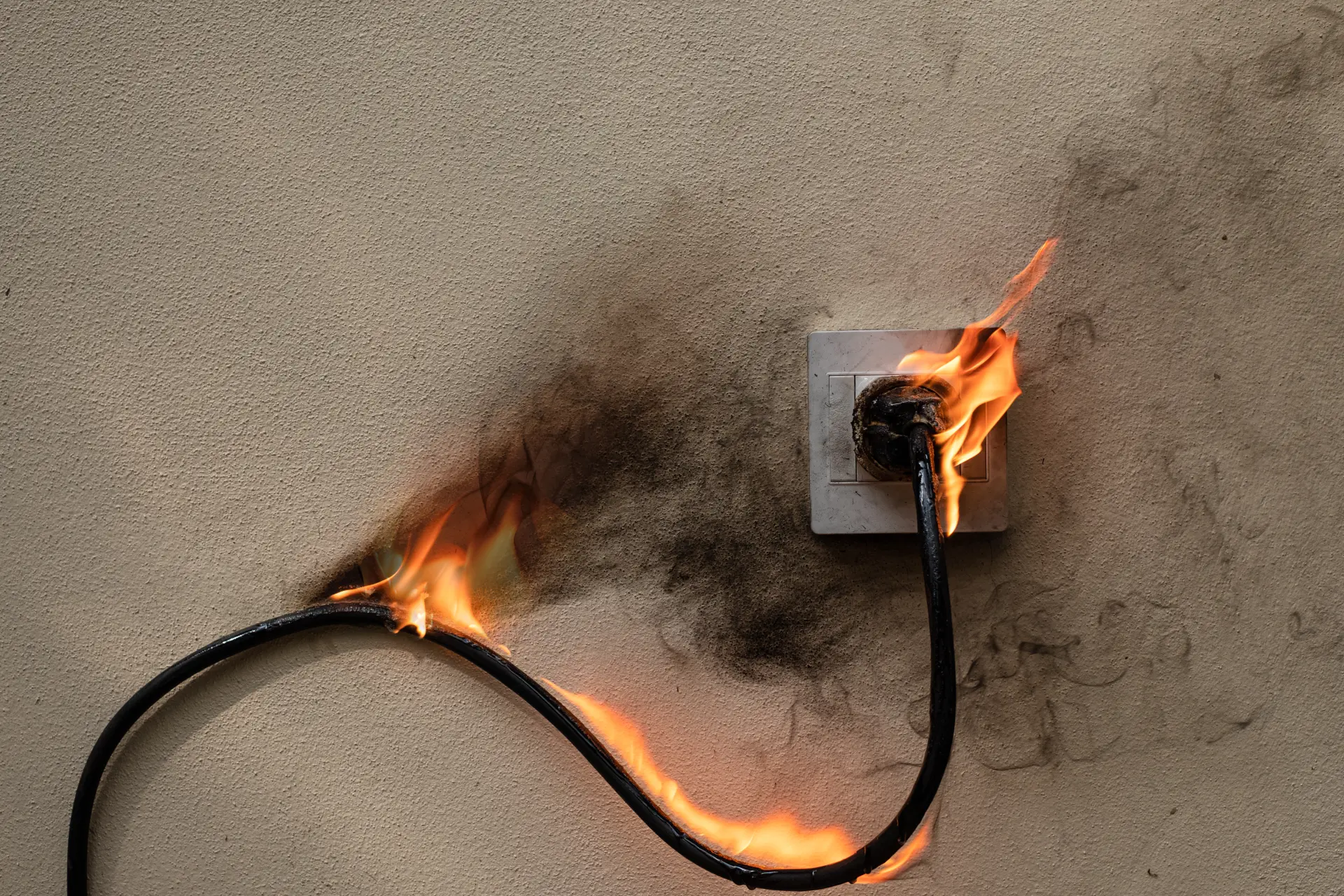
Sockets should never feel hot during normal use. If a socket is warm to the touch, shows brown marks, has melted plastic, or looks burnt around the edges, it is a sign that electricity may not be flowing safely. Heat usually builds up when there is a loose connection, damaged wiring, poor installation, or too much demand being placed on one point. These faults can quickly become dangerous if left unchecked.
In a commercial building, sockets are often used more heavily than they are in homes. Offices, shops, warehouses, salons, and workshops may all rely on constant power for equipment, chargers, lights, and machinery. Over time, wear and tear can take its toll, especially in busy areas where plugs are removed and replaced often. If staff continue using a damaged socket, the risk of electric shock, power failure, or fire becomes much higher.
A burnt smell near a socket, sparking when plugs are inserted, or a faceplate that has started to crack are all warning signs that should be taken seriously. Turning off the power to that area and stopping use straight away is the safest first step. After that, a commercial electrician should inspect the circuit, identify the cause, and replace any unsafe parts. Quick action can prevent a much larger and more costly problem later.
Frequent Tripped Fuses or Breakers
A fuse or breaker is meant to trip when there is a fault or when a circuit is overloaded. If this happens once in a while, it may simply be doing its job. If it happens often, it usually means there is an issue that needs proper attention. Repeated tripping should not be treated as a normal part of running a business.
Many workplaces rely on several pieces of equipment running at the same time. Computers, kitchen appliances, heating, lighting, tools, or machinery can all place a heavy demand on older or poorly planned circuits. When the system cannot cope, breakers trip to prevent overheating and damage. This may interrupt work, affect customer service, and lead to lost time across the day.
Resetting the breaker again and again does not solve the cause. In fact, it can allow a hidden fault to continue getting worse. There may be too many items on one circuit, a damaged cable somewhere in the system, or a larger issue with the consumer unit. A commercial electrician can test the supply, trace the fault, and recommend safe changes so the system works properly and supports the way your business operates.
Old or Damaged Wiring Around the Building
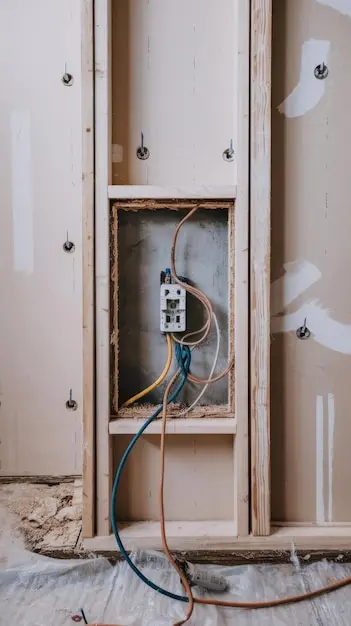
Old or damaged wiring is one of the clearest signs that a business property needs professional electrical attention. Wires do not last forever. Over time, insulation can wear down, coverings can crack, and earlier installations may no longer meet modern safety standards. In some buildings, especially older commercial premises, wiring may have been added in stages over many years, leaving a patchwork system that is harder to manage and more likely to develop faults.
Visible damage should always be taken seriously. Loose cables, exposed wires, damaged trunking, broken fittings, or marks around outlets can all point to wear, impact damage, or poor earlier work. In storage spaces, plant rooms, workshops, and service areas, wiring may also be harmed by moisture, dust, vibration, heat, or accidental knocks. Even when damage looks minor, it can increase the risk of short circuits, electric shock, or fire.
Older wiring can also struggle with modern business demands. A system designed years ago may not be suitable for today’s lighting, computers, security systems, kitchen equipment, or specialist machinery. If your building still has very old fittings, mixed cable types, or a history of electrical alterations without a clear plan, it is wise to arrange an inspection. A commercial electrician can assess the condition of the wiring, check whether it is safe for continued use, and advise whether repair, upgrade, or full replacement is needed.
Buzzing Sounds from Lights or Sockets
Electric systems should be quiet. If you hear buzzing, humming, crackling, or sizzling from lights, switches, or sockets, it may be a sign of loose connections or faulty parts. These noises often happen when electricity is not flowing cleanly through a fitting. A buzzing light fitting might be linked to a failing ballast, poor wiring, or a problem with the lamp itself.
A buzzing socket or switch can be more serious, especially if it comes with heat, sparks, or a burnt smell. In some cases, the sound may come and go, which can make it easy to ignore, but it still needs checking.
In a business setting, unusual electrical sounds should not be left for later. Staff may work around them for weeks without reporting the issue, especially if power is still working. That delay can allow the fault to worsen. A commercial electrician can inspect the affected area, test the system safely, and repair or replace the faulty parts before they lead to a power cut, equipment damage, or a more serious safety problem.
Burning Smells with No Clear Source
A burning smell in the workplace should never be ignored, especially when there is no clear cause such as cooking, cleaning products, or machinery that normally gives off heat. An electrical fault can create a sharp, hot, plastic-like smell when wires, insulation, sockets, switches, or fittings begin to overheat. This may happen before any visible smoke appears, which is why smell can be one of the earliest warnings that something is seriously wrong.
In busy business premises, it can be easy for unusual smells to go unnoticed or be put down to general day-to-day activity. Staff may assume it is coming from outside, from a kitchen area, or from a piece of equipment in use. The danger is that overheating electrical parts can continue to worsen behind walls, above ceilings, or inside consumer units while the cause remains hidden.
If the smell seems stronger near a socket, light fitting, fuse board, or fixed appliance, power to that area should be switched off if it is safe to do so. Equipment should not be used again until it has been checked. A commercial electrician can investigate the source, test the circuit, and deal with any damaged or unsafe components. Acting quickly can prevent disruption, protect staff, and reduce the risk of a fire starting within the building.
Overloaded Extension Leads and Multi Plugs
Extension leads and multi plugs can be useful for short-term needs, but they should not become a permanent answer to a lack of sockets. If your business relies on long chains of adaptors, fully loaded extension blocks, or leads running across desks and floors every day, it may be a sign that the electrical system no longer suits the building’s needs.
Overloading one extension can cause heat to build up. This is especially risky when high-demand items are plugged in together, such as kettles, heaters, printers, monitors, or cleaning equipment. It can also create trip hazards, make cleaning harder, and leave work areas looking untidy and less professional.
In many businesses, extension leads build up slowly as teams grow and equipment increases. What started as a simple temporary fix can turn into a daily habit that places extra strain on circuits and makes the space less safe. A commercial electrician can review how power is being used, install additional sockets where needed, and help create a safer layout that supports staff and equipment properly without relying on makeshift solutions.
Office Equipment Cutting Out or Restarting
When office equipment keeps cutting out, freezing, or restarting without warning, the cause is not always the device itself. In many cases, unstable power is to blame. Computers, printers, tills, routers, servers, phone systems, and display screens all rely on a steady electrical supply. If circuits are overloaded, wiring is faulty, or voltage is dropping at certain times, equipment may stop working properly even though it appears to be in good condition.
This sort of issue can have a direct effect on the running of a business. Staff may lose unsaved work, payment systems may stop in the middle of a sale, and internet or phone connections may be disrupted. In customer-facing businesses, repeated interruptions can damage trust and create a poor impression. In offices, it can reduce productivity and lead to ongoing frustration as people try to work around a problem that never truly goes away.
The pattern often gives useful clues. Equipment may fail when heaters are switched on, when the kitchen is busy, or when several devices are used at once. That can suggest the circuit is under strain or that the system was not designed for current demand. A commercial electrician can test the supply, inspect the circuit layout, and identify whether the issue lies with overloaded circuits, poor connections, or an outdated installation that needs improvement.
Staff Getting Small Shocks from Equipment
Even a small electric shock should be taken seriously in the workplace. If staff feel a slight shock or tingling sensation when touching equipment, plugs, metal surfaces, or switches, it may point to a fault that needs urgent attention. Electricity should never be escaping in a way that people can feel.
These shocks can happen because of poor earthing, damaged cables, faulty appliances, or problems within the building wiring. In some cases, staff may describe it as a light buzz rather than a sharp shock. Either way, it is a warning sign. Repeated minor shocks can lead to a more serious incident if the fault gets worse or affects more equipment.
A business has a duty to provide a safe working environment, so reports like this should not be brushed aside. The affected item should be taken out of use, and the area should be checked as soon as possible. A commercial electrician can inspect both the fixed wiring and the related circuits to find the cause. Fast action helps protect staff, reduces risk, and shows that safety concerns are being handled properly and responsibly.
Lighting That Is Too Dim for Safe Work
Lighting that is too dim for safe work is more than an inconvenience. It can create real safety issues, lower the standard of work, and make everyday tasks more difficult for staff. In offices, poor lighting can lead to eye strain, headaches, and reduced focus. In workshops, warehouses, kitchens, treatment rooms, and retail spaces, it can increase the chance of mistakes, slips, trips, and accidents. If staff are regularly struggling to see clearly, the lighting setup may no longer be suitable for the way the space is being used.
Sometimes the issue is caused by old fittings, failing lamps, or dirt building up over covers and diffusers. In other cases, the problem is more to do with layout. A building may have been rearranged over time, with workstations, storage, counters, or machinery moved into areas that were never properly lit. New uses for old spaces often expose weak points in the original electrical design.
Dim lighting can also be a sign that fittings are not getting full power. If lights appear dull, slow to come on, or weaker than they once were, there may be an electrical fault behind the problem. A commercial electrician can assess whether the issue is linked to the fittings, the circuit, or the overall lighting design. They can then recommend upgrades or repairs that make the workplace safer, brighter, and better suited to daily operations.
Your Electrical System Has Not Been Checked in Years
If your electrical system has not been checked in years, there is a greater chance that hidden faults have developed without anyone noticing. Electrical systems wear down over time, especially in busy commercial buildings where demand is high and use is constant. Cables, fittings, boards, and connections can all weaken with age.
Many problems stay out of sight until they cause a clear failure. By that stage, the issue may already be serious. Regular inspection helps spot early signs of damage, wear, or outdated work before it leads to disruption or danger. It can also confirm whether the system still suits the current needs of the business.
A building that has changed hands, been altered, or had new equipment added over the years should be checked even more carefully. Businesses often grow into older systems without realising how much extra strain they are placing on them. A commercial electrician can carry out a proper inspection, identify risks, and advise on any repairs or upgrades needed. Keeping checks up to date is one of the simplest ways to protect your premises, your staff, and your day-to-day operations.
You Are Expanding or Changing How You Use the Building
Business growth is a positive step, but it often brings new electrical demands that the existing system may not be ready for. If you are expanding, adding new work areas, increasing staff numbers, installing different equipment, or changing how part of the building is used, it is wise to consider the electrical side before problems begin. A layout that worked well for a small office, shop, unit, or workspace may no longer be suitable once more lighting, sockets, appliances, machines, or specialist systems are introduced.
Changes in use can affect much more than plug access. A storage space turned into an office may need better lighting, more data and power points, and a safer circuit layout. A larger kitchen area, workshop, or treatment room may place a much greater load on the supply. Even small changes, such as moving desks, adding display screens, or installing air conditioning, can alter demand enough to expose weak points in an older system.
Planning ahead is far better than reacting after faults start appearing. A commercial electrician can assess whether the current installation can support the new setup, identify where upgrades are needed, and help make sure the work is safe and compliant. Bringing them in early can also help avoid disruption, prevent overload issues, and ensure the building supports growth in a practical and reliable way from the start.
When to Call a Commercial Electrician
You should call a commercial electrician as soon as warning signs start to appear, not only when power fails completely. Flickering lights, hot sockets, burning smells, buzzing sounds, repeated tripping, and small shocks are all signs that the system needs expert attention. Waiting can allow faults to grow into bigger risks.
It is also sensible to call one when you are planning changes, such as a refit, expansion, new equipment installation, or a change in how rooms are used. A commercial property has different demands from a home, and the electrical system needs to match that level of use safely. Professional advice helps you avoid costly mistakes and reduce downtime.
A qualified commercial electrician can inspect the system, test for faults, carry out repairs, and recommend upgrades where needed. They can also help you plan future improvements in a safe and practical way. Whether the issue seems small or serious, early action is often the best way to protect staff, customers, equipment, and the building itself.
How to Keep Your Business Safe in Future
Keeping your business safe in future starts with treating electrical safety as an ongoing part of building management rather than a one-off fix. Once a fault has been repaired, it is important to look at the wider picture and make sure the same sort of issue does not return. Regular inspections are a key part of this. A planned check by a qualified commercial electrician can help identify wear, damage, overload risks, and outdated installations before they begin to affect daily operations. This is especially important in buildings with older wiring, high equipment use, or changing layouts.
It also helps to build good habits into the workplace. Staff should know to report flickering lights, damaged sockets, odd smells, buzzing sounds, or shocks straight away. Faults are often noticed first by the people using the space every day, so clear reporting can make a real difference. Portable appliances should also be checked when needed, and damaged items should be removed from use rather than ignored.
Try to avoid relying on temporary fixes such as overloaded extension leads or constant breaker resets. As the business grows, review whether the power supply, lighting, and socket layout still suit the building. By staying proactive and bringing in a commercial electrician when needed, you can reduce risk, avoid disruption, and create a safer working environment for everyone.
Are you looking for Commercial electrical services throughout the north west?
Our commercial electrician offers repairs, testing and installations throughout Manchester, Liverpool, Cumbria, Lancashire and the surrounding areas.